 Zero discharge of wastewater
 Service guarantee
 Qualification certificate
 +86-15203250555


RTO thermal storage combustion equipment

RTO thermal storage combustion equipment
Detail
劲旅环境
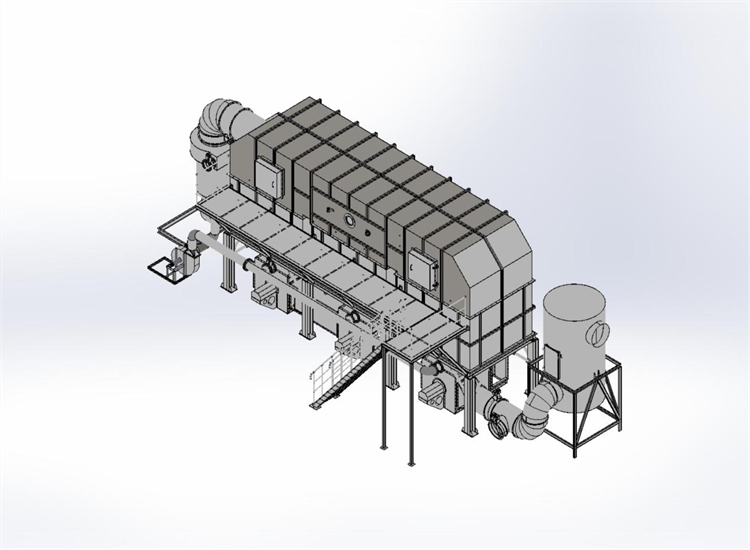
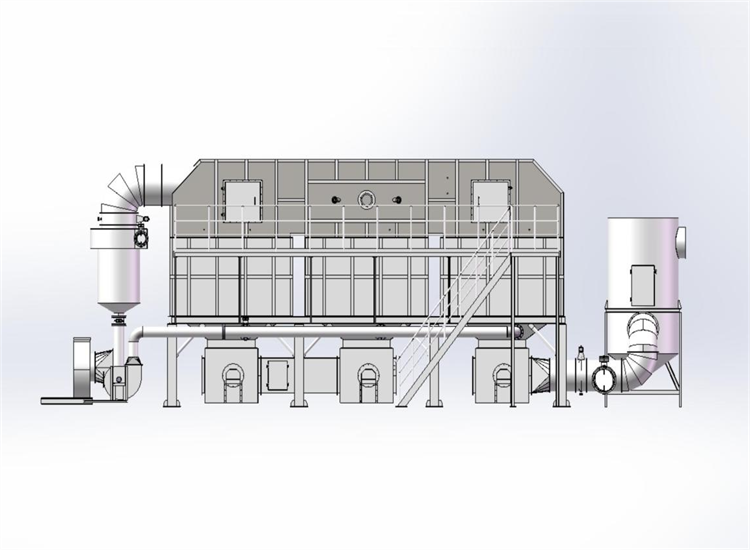
The regenerative thermal incinerator is also known as the regenerative oxidation furnace. Its English name is "Regenerative Thermal Oxidizer", or "RTO" for short.
Industry applications
Paint and coating production, paint room exhaust, industrial oven exhaust, petroleum, petroleum and natural gas, catering, printing, chemical products, pharmaceutical industry, ethanol, semiconductor, automotive and other industries
Equipment characteristics
● Almost all waste gases containing organic compounds can be treated
● Can handle organic waste gas with high air volume and low concentration
● The elasticity of handling organic waste gas flow is high (nominal flow rate 20%~120%)
● Can adapt to changes and fluctuations in the composition and concentration of VOC in organic waste gas
● Not sensitive to small amounts of dust and solid particles carried in the exhaust gas
● High thermal efficiency (>95%) among all thermal combustion purification methods
● Realize self heating operation without the need to add auxiliary fuel under appropriate exhaust gas concentration conditions
● High purification efficiency (three rooms>99%)
● Low maintenance workload, safe and reliable operation
● Organic sediment can be periodically removed, and the heat storage body can be replaced
● The pressure loss of the entire device is relatively small
● Long service life of the device
operational principle
If organic matter contains other elements such as halogens, the oxidation products also include hydrogen halides. The exhaust gas is first heated to a temperature close to the thermal oxidation temperature through a heat storage body, and then enters the combustion chamber for thermal oxidation. The temperature of the oxidized gas increases, and the organic matter is basically converted into carbon dioxide and water. The purified gas can be discharged after passing through another heat storage body and the temperature drops to meet the emission standards. Different heat accumulators are converted over time through switching valves or rotating devices to absorb and release heat, respectively.
Regenerative thermal incinerator
The principle is to heat the organic waste gas to above 760 degrees Celsius, causing the VOC in the waste gas to oxidize and decompose into carbon dioxide and water. The high-temperature gas generated by oxidation flows through a specially designed ceramic heat storage body, causing the ceramic body to heat up and "store heat". This "heat storage" is used to preheat the subsequent organic waste gas entering. Thus saving fuel consumption for exhaust gas heating. Ceramic heat storage bodies should be divided into two or more zones or chambers, each of which undergoes a sequence of heat storage, heat release, and cleaning procedures, repeating the cycle and working continuously. After the "heat release" of the heat storage room, a portion of the treated and qualified clean exhaust should be immediately introduced to clean the room (to ensure a VOC removal rate of over 99%). Only after the cleaning is completed can the "heat storage" program be entered.
 |
 |
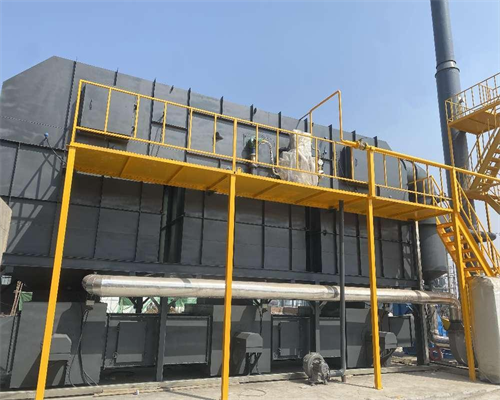
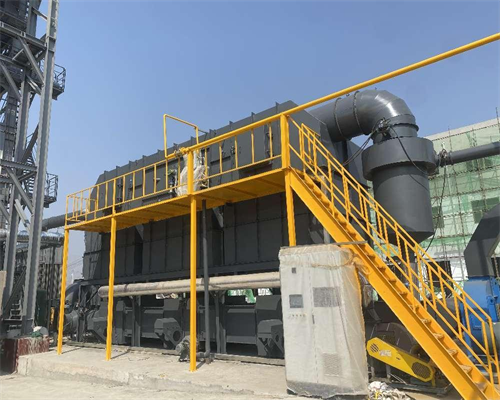
Engineering case:
 |
 |
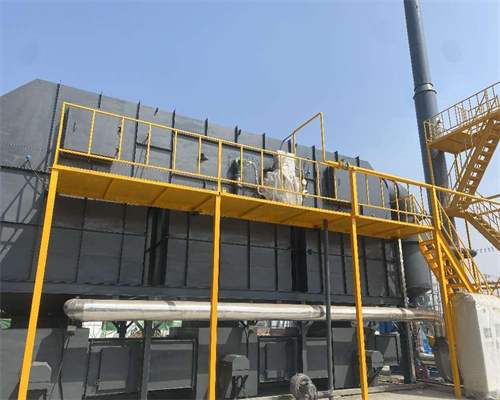 |
| Tangshan Haojun Jiancheng Industrial Co., Ltd. 30000m ³/ H RTO thermal storage incinerator | ||
Related products


Feedback
Search for 'Lantian Aoyu'
COPYRIGHT Tangshan Lantian Aoyu Technology Co., Ltd Powered by 300.cn | SEO